

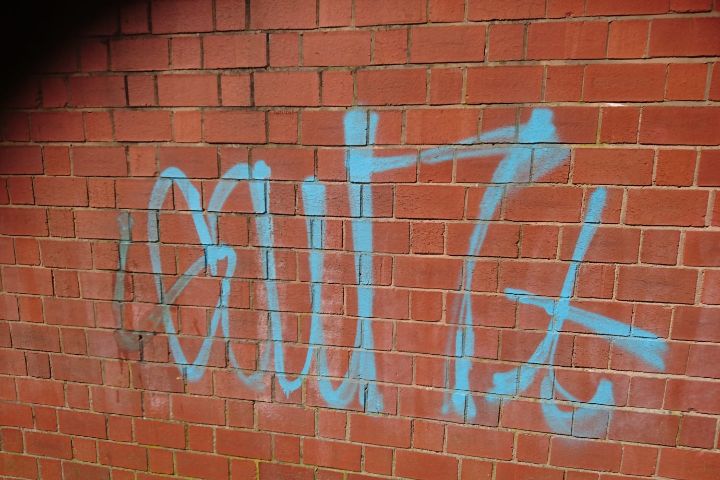
GRAFFITI REMOVAL ADVICE
By Serridge External Cleaning · 17 September 2026
If you find graffiti on your premises, record the affected area, avoid untested cleaning methods and gather the details a contractor will need. A little preparation helps the cleaning work be assessed and planned properly.
Record the damage before anything changes
Take a wide photograph showing the location and close-ups of the graffiti. Record which surfaces are affected and when you noticed it. This creates a useful record for the property owner, managing agent or other relevant parties.
If you are a tenant, check who is responsible for the exterior before commissioning work. Where reporting is appropriate, follow the relevant local reporting process. Keep any reference details with the photographs and work records.
Avoid an improvised treatment
It can be tempting to use a strong cleaner, a stiff abrasive tool or the highest pressure setting available. An unsuitable method can change the surface or its finish, making the eventual repair more complicated.
Until the material and treatment are assessed, avoid experimenting across the full affected area. Tell the contractor about anything already applied, including the product name if available. Previous treatment can influence the next step.
Gather practical site information
Identify the affected material where possible: brick, stone, render, painted wall, shutter or another finish. Estimate the dimensions and height of the graffiti. Note nearby windows, doors, signs and landscaping that may need consideration during the work.
Access information is equally useful. Explain where equipment can be brought onto the site, whether parking is available and when the area is busiest. For managed premises, provide any booking-in or site-induction requirements when arranging the work.
Agree a clear scope and realistic result
A good brief identifies the surfaces to be cleaned, access arrangements and any restrictions. Ask whether a test area is needed and what the contractor expects the finished surface to look like.
On porous or damaged materials, some pigment or contrast can remain. Where repainting or another finish might be needed, discuss this separately rather than assuming a clean alone will resolve every mark.
Keep a record for future maintenance
After the work, keep photographs and details of the treatment used. This can help with future cleaning or maintenance decisions. If graffiti is recurring, discuss the surface and possible protective treatments with an appropriate contractor; suitability and ongoing maintenance requirements vary.
Routine checks of external areas can also help a property team identify new marks and arrange an assessment promptly. Make responsibility for reporting and booking work clear within the team.
Serridge is a family business established in 2006. For help planning a clean, visit our graffiti-removal page or send an enquiry with photographs, the location and a description of the affected surface.
Should I paint over the graffiti?
That depends on the existing finish and the desired result. Painting over a mark can leave a visible patch and does not suit every surface. Discuss cleaning and refinishing options before deciding.
What if the graffiti is above ground level?
Include its height and the access conditions in your enquiry. The contractor needs to assess suitable access arrangements before agreeing the work.
Related graffiti advice
Discuss professional graffiti removal · All graffiti advice
- Graffiti removal from brick, stone and painted surfaces: why the surface matters
- What affects the cost of professional graffiti removal?
Create a simple site brief
Record which entrance or elevation is affected and identify the surface material if known. Add photographs, approximate dimensions and the contact responsible for the building. Explain opening hours, delivery movements and any restrictions around the frontage. Keep the brief factual so that the contractor can understand both the mark and the practical arrangements needed to reach it.
Coordinate with the people who use the property
A landlord, managing agent or neighbouring occupier may need to be involved where a frontage or access route is shared. Confirm who can authorise the cleaning and who will provide entry on the day. If an entrance must remain in use, make that part of the enquiry. Do not assume that an appointment can proceed while the working area is occupied by customers, vehicles or deliveries.
Plan maintenance after the immediate clean
Once the agreed work is complete, retain the scope and photographs as part of the property record. If marks recur, describe whether they affect the same surface and whether any coating has changed. Ask about suitable maintenance options for the actual finish rather than applying an unverified protective product. The aim is a manageable property plan with clear expectations for future enquiries.
LET’S TALK ABOUT YOUR PROPERTY
A cleaner exterior.
A better first impression.
Tell us what needs cleaning and where you’re based. Our team will get back to you to discuss the next step.